
Short answer: yes — and probably more than a business with a national audience does.
Here’s why, in plain English.
“Local” doesn’t mean “no competition”
When people hear SEO, they often picture giant companies fighting for the top spot on a national search like “best running shoes.” If you run a bakery in Querétaro or a plumbing company in San Antonio, that fight isn’t yours. Good.
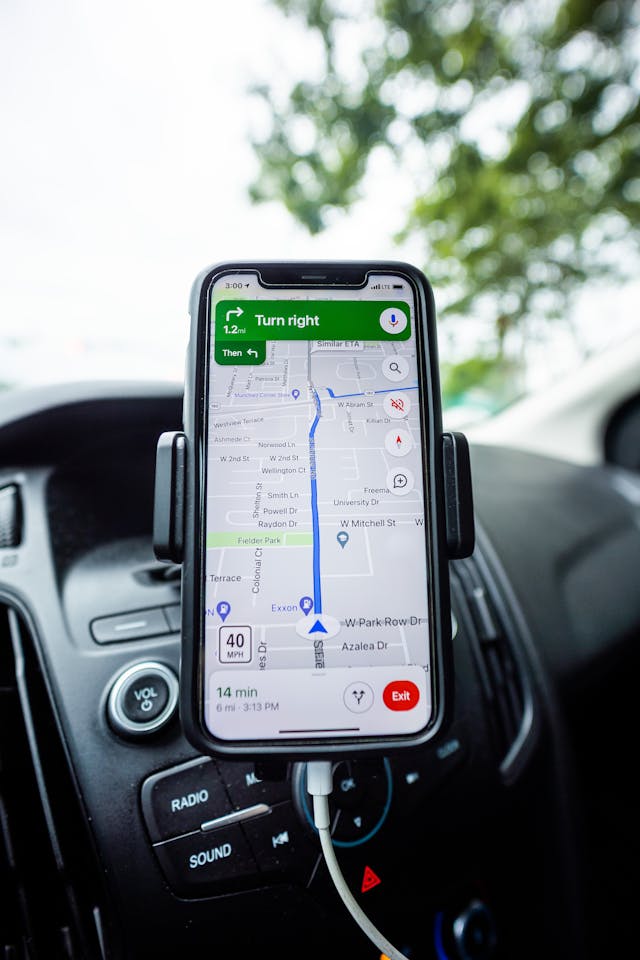
But there’s a different fight you are in, whether you’ve shown up for it or not: the local one. When someone in your neighborhood pulls out their phone and types “panadería cerca de mí” or “emergency plumber near me,” Google decides which three businesses show up at the top of the map. Those three get most of the calls.
Local SEO is the work that gets you into those three.
What “local SEO” actually involves
It’s less mysterious than it sounds. Most of it falls into four buckets:
Your Google Business Profile. This is the listing that shows up on Google Maps and in the local search results. Setting it up properly — correct categories, hours, photos, services, service area — is the single highest-leverage thing a local business can do for online visibility. And it’s free.
Your website. Google decides where to rank you partly by looking at your site. Is it fast? Does it work on a phone? Does it clearly say what you do and where? Does it have a page for each city or neighborhood you serve? These are answerable questions, and the answers can be improved.
Reviews. More reviews and better reviews don’t just help customers decide — they directly affect where you rank. There’s a difference between asking customers for reviews and making it easy for them to leave one. Most local businesses do neither.
Citations and consistency. Your business name, address, and phone number should be exactly the same everywhere they appear online — your website, your Google profile, Yelp, Facebook, industry directories. When they don’t match, Google gets confused, and confused Google ranks you lower.
What it isn’t
Local SEO isn’t:
- Paying for ads (that’s separate, and sometimes worth it)
- Buying backlinks (don’t)
- Generating AI content for fifty fake city pages (Google now actively penalizes this)
- A one-time setup (your competitors keep working on theirs, so you have to too)
How long does it take to see results?
Honest answer: usually three to six months for meaningful movement, sometimes faster for very local searches with weak competition, sometimes longer for crowded markets. Anyone promising results in 30 days is either lying or about to do something that’ll hurt you.
Should you do this yourself or hire someone?
Plenty of small business owners handle their own local SEO and do fine. The basics are learnable. The questions to ask yourself are:
- Do I have a few hours a month to keep at it consistently?
- Am I willing to learn what’s worth doing and what isn’t?
- Is my time better spent serving the customers I already have?
If the answers are yes, yes, no — do it yourself. If any of those flip, hiring someone makes sense.
A useful starting point
Whether you do it yourself or work with someone, start here:
- Claim and fully fill out your Google Business Profile
- Make sure your website loads fast and works on a phone
- Pick one neighborhood or city you most want to be found in, and write one solid page about your service in that area
- Ask your last five happy customers for a review
- Check that your name, address, and phone number match across your website, Google, and Facebook
Do those five things and you’ll be ahead of most of your local competition. Most haven’t done any of them.
Roberto runs Morning Tempo, a one-person shop building websites and doing SEO for small businesses in Querétaro and across the US. Book a free 20-minute call.